Origins of the Mauritian Chinese Community
Early Arrivals and Colonial Context
The Chinese presence in Mauritius dates back as early as the late 1600s, when the Dutch reportedly brought a small number of Chinese convicts to the island. However, significant migration began in the late 1700s and early 1800s, under both French and British colonial rule.
- French Period (late 1700s–1810):
- In the 1780s, thousands of voluntary Chinese migrants, mainly from Guangdong province, arrived in Port Louis, largely working as craftsmen such as blacksmiths, carpenters, and tailors.
- These migrants quickly established a small Chinatown, called Camp des Chinois, in Port Louis
- The French government imposed strict laws, preventing Chinese migrants from practicing their customs and requiring quick repatriation of those who objected to conditions.
- British Period (1810–1968):
- The early 1800s saw the arrival of Hokkien (Fujianese) migrants from Xiamen (Amoy) in Fujian province. Most arrived as merchants. Colonial laws initially restricted them from bringing families and buying land, leading many to intermarry with local Creole and Indian women.
- British authorities later encouraged the Chinese “spirit of enterprise,” allowing community development and self-organization by appointing community leaders and granting land for cultural practices.
- Between 1840 and 1843, about 3,000 Chinese contract workers arrived to work primarily on sugar plantations
- Subsequent waves included Hakka and Cantonese from Guangdong, escaping events like the Taiping Rebellion.
Key Regions of Origin and Community Structure
- Provinces and Dialects:
- Most Mauritian Chinese are of Hakka and Cantonese origin from Guangdong, and Hokkien from Fujian province
- In Mauritius, rivalry and cultural organization among these groups sometimes echoed events from southern China.
- Settlement Patterns:
- Early Chinese migrants formed tight-knit communities, especially in Port Louis, which hosts a historically significant Chinatown, still central to Chinese Mauritian cultural life
- The community developed a network of clan associations and mutual support systems, with business and family life intertwined.
Socio-Economic Roles and Assimilation
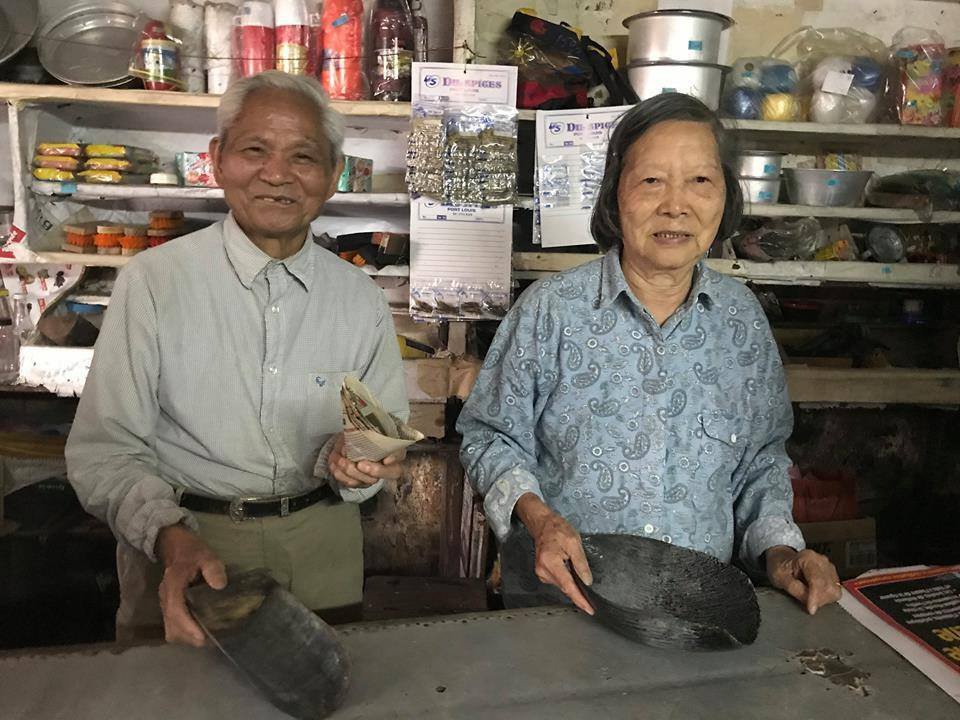
- Initially recruited as craftsmen, tailors, and laborers, Chinese migrants quickly turned into successful entrepreneurs, especially in retail trade and small businesses across Mauritius. By the early 1900s, Chinese shopkeepers were vital to the island’s commerce.
- Despite being a small portion of the population (about 2–4%), the Chinese community has maintained an outsized economic and cultural influence on Mauritian society.
- Over time, especially post-World War II, many Chinese adapted local languages (French, English, Mauritian Creole) and converted to Catholicism while retaining traditional festivals and values.
Modern Community and Legacy
- The Mauritian Chinese community, though numerically small today, remains an integral part of the island’s multicultural landscape, with vibrant traditions, a prominent presence in business, and ongoing cultural associations.
- Newer waves of migrants and marriages with locals have ensured the community’s legacy and continued evolution.
In summary:
The Mauritian Chinese community traces its roots primarily to voluntary migrants—mostly Hokkien, Hakka, and Cantonese—from Southern China (Fujian and Guangdong provinces) beginning in the late 1700s, with successive waves shaped by global events and local colonial policies. Their integration, entrepreneurial activity, and adaptation have made them a vital, distinctive component of Mauritius’s national identity.